Understanding the intricacies of the fire-damaged home selling process in Virginia Beach, Virginia, is mainly dependent on one´s familiarity with the local market and planning which methods will require the most time and which will yield the most value. Regardless of your pace, the selling process needs attention and time. In the following chapters, we discussed our value-added and strategic pointers based on the market and provided the applicable law, integrated to meet the market’s demands. Focusing on the most stressful and challenging aspects of your sales process, we help you navigate the assessment and engage with motivated buyers. Drawing on our experience, we will help you navigate the selling process to maximize your value.
You can sell a fire-damaged house in Virginia Beach three ways: as-is to a cash buyer, as-is on the open market, or after repairs. Selling as-is is fastest. Repairing usually brings a higher price if the insurance money and your time cover it.
Virginia is largely a “buyer beware” state, but you can’t misrepresent the house, and some things must be disclosed. Be upfront about the fire.
We buy fire-damaged houses across Hampton Roads in any condition, with a cash offer within 24 hours. Call (757) 578-1214.
First Steps After a House Fire in Virginia Beach
- Stay out until it’s safe. Don’t go back in until the fire department says the house is safe to enter.
- Call your insurance company. Start the claim, ask for a copy of your policy, and photograph the damage before anything is cleaned up or thrown away.
- Protect the house from more damage. Board up openings and cover the roof if needed. Most homeowners policies expect you to take reasonable steps to prevent further loss, so keep the receipts.
- Tell your mortgage lender. Insurance checks for the structure are often made out to both you and your lender, so the lender will be part of the process either way.
- Get repair estimates before you decide whether to fix it or sell it.
- Thinking of selling before the claim is settled? Ask your insurer and lender how the claim money is handled if the house is sold.
Key Highlights
- Assess damage and repair costs to inform selling strategies.
- Be honest about the fire. Virginia is largely “buyer beware,” but sellers can’t misrepresent a house.
- Choosing to sell as-is offers a quick sale at a lower price.
- Rebuilding can increase property value and attract more buyers.
- Engage experts for accurate market and repair valuations.
Assessing the Condition of Your Fire-Damaged Home
For Virginia Beach homeowners, understanding the full range of effects of a house fire is crucial for making informed decisions about next steps. An in-depth analysis helps determine the best options for reclaiming a lost investment, restoration, filing an insurance claim, and establishing a potential listing price. Taking a fire-damaged property from the outside in is critical in ensuring all parts—the framework and the interior finishes—are sufficiently safe and sound. Such a thorough evaluation allows urgent attention and purely cosmetic repair to be differentiated and prioritized.
Damage to framing and decay from smoke and soot do not repair themselves, which is why a professional examination allows for the determination of fire losses. Such an analysis delineates possible repair costs and ultimately determines whether the property can be sold as is or if funds can be invested in it to restore it. By evaluating the overt and hidden fire damage, the homeowner and her destitute family will possibly positively influence their cardboard box house.
O'Neill Home Buyers buys fire-damaged houses in Virginia Beach, offering a fast, stress-free solution for homeowners. We assess your property’s condition and provide fair, no-obligation cash offers. With our experience and simple process, you can move forward quickly—without repairs, restoration, or long listings.
Evaluating the Extent of Damage
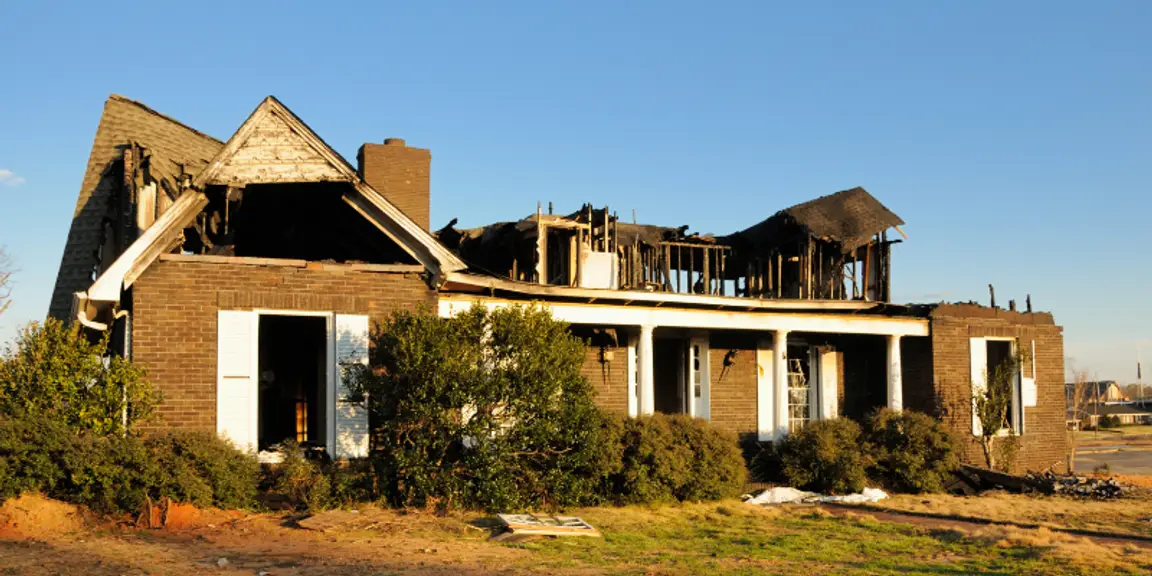
Evaluating the extent of damage in a fire-damaged home is the first crucial step in planning your next moves. Fire damage can appear in various forms, including charred structures, water damage from firefighting, smoke stains, and electrical issues—all of which can significantly affect your home’s integrity. Begin with a thorough visual inspection, starting from the exterior to identify structural compromises, especially in the roof and walls, which often require significant repairs.
Assess the rooms within the house to identify any damage and determine which rooms have accumulated soot. While charred sections of the house are more manageable to locate, also check for the presence of smoke odors that carpets, curtains, and upholstered furniture can absorb. Having these data points evaluated by a professional appraiser or adjuster results in a comprehensive assessment, which is particularly helpful when trying to understand the extent of the damage.
Evaluating the damage with experts and incorporating your own review logically streamlines the valuation, and the damage assessment aids in determining the overall proposed work. The damage evaluation allows for more effective dialogue with your insurance company, enables the request for financial aid, clarifies the damage comparison with the property market value, and streamlines the remaining work on your property and overall value in the real estate market.
Understanding Repair Costs
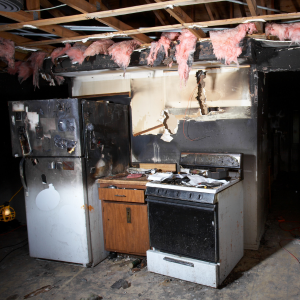
The extent of damage caused by a residential fire, as well as its location, will significantly impact the cost of repairing such a home. Damages stem from the degree of destruction, the materials required, and the construction expenses. A reputable contractor can assist with cost estimation. A professional contractor’s cost estimation must cover all structural, visual, and protective additions and restorations. A fine-grained cost estimate will enable a buyer to plan their budget effectively.
Insurance considerations also play a key role in repair costs. Fire insurance typically covers a significant portion of the damage, although coverage varies depending on the specific policy terms and conditions. Work closely with your adjuster to clarify what’s included and any out-of-pocket expenses. It’s also wise to factor in inflation in construction and material costs.
Weighing the costs of repairs against probable resale values provides insight into the decision of whether to sell the property as is versus undertaking comprehensive maintenance. Knowledge of finances, as mentioned earlier, provides the basis for strategic and rational choices regarding value recovery following a fire.
Legal Requirements for Selling a Fire-Damaged House in Virginia
Selling a fire-damaged house in Virginia Beach doesn’t take a special permit or inspection. It does mean following Virginia’s disclosure law. Virginia is largely a “buyer beware” state: sellers give buyers a state disclosure form that makes no promises about the house’s condition, and buyers are expected to do their own inspections.
There are limits. A seller can’t misrepresent the house or hide damage on purpose, and Virginia still requires sellers to disclose certain things on state forms, such as building code or zoning violations they know are pending. If the city has an open enforcement action on a fire-damaged house, that has to be disclosed.
For professional guidance in selling your fire-damaged home in Virginia Beach, contact us today. Our team can help you navigate disclosure requirements, handle documentation, and ensure a smooth, compliant sale process from start to finish.
What You Must Disclose to Buyers
In practice, the safest approach after a fire is to be upfront. Tell buyers there was a fire, what was damaged, and what has or hasn’t been repaired. A buyer is going to see the damage or find the insurance claim anyway, and honesty keeps the sale from falling apart late.
Virginia’s disclosure law covers sales of one- to four-unit homes, whether you sell to a family, through an agent or to a cash buyer. Some transfers are exempt, such as sales by an executor in the course of administering an estate.
You don’t have to get an inspection before selling, but a contractor’s estimate can help you decide whether to repair or sell as-is. If you’re unsure what you have to disclose, ask a Virginia real estate attorney.
The Role of Local Real Estate Regulations
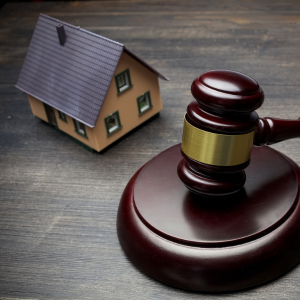
In Virginia Beach, local market regulations govern the sale of fire-damaged properties, ensuring that local laws protect the rights of both sellers and buyers. Buyer’s regulations ensure fire-damaged properties are represented fairly and sold legally. Selling a home under such difficult circumstances requires an understanding of the local laws. This assists in the legally sanctioned representation of an offer.
If you repair the house before selling, the repair work itself needs the right permits from the City of Virginia Beach, and that’s where inspections come in. If you sell as-is, the buyer takes on the repairs and the permits.
It is feasible to sell a fire-damaged home “as is,” but full disclosure is needed regarding the state of the house. Local rules may require additional disclosures and contractual obligations. Working with experienced agents in the Virginia Beach area will help ease the compliance and transaction process. Most importantly, compliance with local laws will minimize legal exposure, instill confidence in buyers, and improve the perceived value of the home in a competitive environment.
Should You Sell As-Is or Rebuild? Exploring Your Options
For homeowners in Virginia Beach, deciding whether to sell their fire-damaged home as-is or to invest in rebuilding represents a significant decision. This is often a question of whether to prioritize short-term financial relief or long-term property value. Selling as-is is often the fastest and least complicated way to move on from the damage — particularly for homeowners seeking a quick cash sale or wanting to avoid the stress and financial burden of returns. This is, of course, because buyers consider the price of restoration when determining their offer.
Conversely, opting to rebuild offers the potential to maximize your property’s worth and broaden your prospective buyer audience. A rebuild provides an opportunity to revamp the appearance of your home, restoring and, perhaps, modernizing and upgrading it to even greater appeal than it had before the fire. This option does take considerable time, money, and effort, though. Assessing the cost, emotion, and market value associated with each option will guide your decision-making to fulfill your goals and situation best. In this manner, you arrive at the most effective option for your property.
Pros and Cons of Selling As-Is
Selling a fire-damaged property as is provides immediate relief in Virginia Beach. But selling as is also provides some negative consequences. The speed at which a homeowner sells an as-is property is a huge benefit. Homeowners also avoid the extensive and expensive renovation processes required for houses damaged by fire. Selling as-is is excellent for individuals seeking quick access to cash or those without the resources to manage the rebuilding process. There are also reduced repair costs for the homeowner, as no repairs need to be financed by the seller. Selling as is provides a lower cash investment for the seller and helps in closing the gap for those looking to sell quickly. It is a practical and cost-effective option.
There are also negative consequences associated with selling as is. A lower selling cost is typically the result of selling as-is. Offers for the home are likely to become bids in the lower cash investment range. Since offers have unacceptable cash values, the seller is expected to be forced to sell to cash investors. Fire-damaged properties also have a complete condition statement, in which all the fire and smoke damage to the property must be detailed. Cautious buyers have no interest in buying the property, so other buyers become the primary focus and target. Selling a home with fire damage can be a lengthy and challenging process.
Ultimately, selling as-is can be the best choice for homeowners who want to expedite the sale and move on from a damaged property without further expense. Partnering with a cash for houses company in Chesapeake, Virginia Beach, and other cities in Virginia can simplify the process, ensuring a fast, fair, and hassle-free transaction. With experienced buyers familiar with fire-damaged properties, you can achieve peace of mind and move forward without the stress of repairs or lengthy listings.
When Rebuilding Might Be the Best Choice
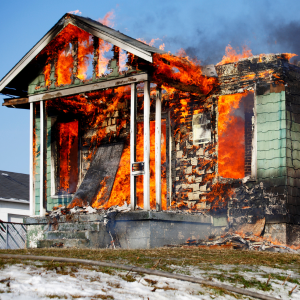
In Virginia Beach, rebuilding a property instead of selling it as is can significantly enhance its potential future value and marketability. Earlier home rebuilding can also serve as a restoration to pre-fire conditions, and in some cases, even surpass them. Buyers seeking modern and more energy-efficient homes, as well as those with more contemporary designs, typically pay higher prices. This will undoubtedly surpass the offers provided for homes that are still damaged.
Rebuilding provides an opportunity to enhance areas of most significant interest, as modern-day buyers would want in a home. Upgrades can be provided to home buyers, including bathroom and kitchen remodels, as well as home layout modifications. This is more adequate for buyers whose insurance will cover the rebuilding value. However, strategic planning will be needed alongside trustworthy builders to control costs and ensure time viability.
Positive outcomes from insurance claims, along with possible local incentives, may ease some financial burdens. For some, the decision to rebuild is not just a tactical one, but rather an idea of reclaiming one’s long-term value and profit. Virginia Beach’s market savvy and proper planning may transform a distressed asset into a larger and more lucrative investment.
To further highlight the benefits and considerations of rebuilding a fire-damaged property, here are key factors to keep in mind:
- Assess local real estate trends to determine the best time to invest in rebuilding.
- Consult with multiple contractors to ensure quality work and competitive pricing.
- Explore eco-friendly building materials that may increase property value and appeal.
- Consider potential tax benefits from upgrading to energy-efficient systems.
- Develop a realistic timeline that accounts for potential construction delays.
- Secure necessary permits and align with local zoning laws to avoid compliance issues.
- Evaluate financing options or insurance coverage gaps to ensure budget alignment.
By focusing on these factors, homeowners can strategically navigate the rebuilding process for optimal success.
Maximizing the Value of Your Estate
In Virginia Beach, the optimal approach to maximizing value after a fire to a building entails coordination of high-quality preparation, strategic evaluation, and thoughtful, imaginative promotion. Engaging buyers, especially those with reservations about purchasing homes that have been damaged, can be challenging. Knowledge of how the fire impacts the building’s framework, visuals, and the safety apparatus is imperative to formulating a value assessment and selling approach. Engaging inspectors to assist in the restoration/decontrolled disposition decision may help in evaluating the fire-related repairs to determine the most appropriate exit approach value and the extent of repairs.
Undoubtedly, damages from the fire incident directly influence buyer perception and, consequently, the property value. For example, minor localized damages in a secondary or tertiary space, such as the kitchen or attic, can result in economically feasible repairs that enhance the property’s resale value. However, in a market context, widespread fire or smoke damage is likely to attract lower bids and restricted buyer interest. Building trust is essential; therefore, it is crucial to provide factual accounts of the fire incidents, relay any corrective repairs undertaken, and offer a comprehensive disclosure of the inspection results. Virginia Beach emphasizes the importance of truthfulness to achieve the nested goals of closing velocity and reduced negotiating friction.
Consider alternative methods of selling to recover value in other ways. For example, cash buyers and certain types of real estate investors purchase damaged and unoccupied homes without requiring extensive repairs and/or lengthy listing times. Although offers of this kind are usually lower than what the seller would get in a traditional sale, the seller would be guaranteed a sale with lower uncertainty and a much shorter waiting time. Given sufficient time to consider all available selling methods and the current real estate market, it is possible to maximize the value of a fire-damaged property while maintaining its marketability.
How Fire Damage Affects Market Value
Fire damage significantly affects the market value of properties in Virginia Beach, mainly due to buyers’ perception of risk. Homes with known fire damage often raise concerns about hidden issues and potential costly repairs, leading to lower offers that account for the expenses associated with restoration. Since market value depends heavily on condition, the degree of visible and underlying damage often results in reduced cash offers from cash house buyers in Virginia Beach and surrounding cities in Virginia.
A proper assessment of the property’s market value begins with an evaluation of the property itself. Professional property value assessors who specialize in fire damage understand not only the repairs that need to be made but also how those repairs impact value. They differentiate between value-altering features, noting pricing that is consistent with the estimate, to provide an honest assessment that incorporates all elements of the damage, whether aesthetic or foundational.
Market value is also affected by local market conditions. Recognizing the significant impact of the market on property value estimation, a seller’s market with an abundance of prospective buyers and only a few fire-damaged homes available is likely to be an attractive opportunity for prospective buyers.
Lastly, insurance and financing challenges can further limit marketability. Many buyers struggle to secure loans for fire-damaged homes, which are often deemed high risk, thereby narrowing the pool to cash buyers. A strategic approach—whether repairing key areas or marketing the property as a fixer-upper—can help sellers achieve a successful sale and maximize value despite the damage.
| Influence on Market Value | Assessment and Evaluation | Market Conditions | Strategic Approaches |
|---|---|---|---|
| Local market trends, Supply and demand balance, and economic indicators | Professional inspections, comparative market analysis, and consulting with fire restoration experts | Renovation planning, insurance leverage, and marketing strategies | Professional inspections, comparative market analysis, and consulting with fire restoration experts |
This table summarizes the multifaceted considerations involved in valuing fire-damaged estates in Virginia Beach, emphasizing strategic assessment and market insights for enhanced decision-making.
Selling a fire-damaged house in Virginia Beach presents unique challenges, but with the right approach and professional support, it can lead to a successful transaction. By understanding your target market, leveraging local real estate experts, and ensuring transparency with potential buyers about the property’s condition, you can effectively navigate this niche market. Whether you decide to sell as-is or invest in repairs, making informed decisions will maximize your chances of a favorable sale. Ultimately, patience and strategic planning are key to transforming a potential setback into a rewarding opportunity.
FAQs:
What are the first steps in selling a fire-damaged house in Virginia Beach?
The initial steps include assessing the extent of fire damage and estimating repair costs. This involves a thorough inspection of both structural and cosmetic aspects and enlisting professionals such as appraisers or adjusters for an accurate evaluation.
What legal considerations should I be aware of when selling a fire-damaged property?
Virginia is largely “buyer beware,” so you won’t be asked to warranty the house’s condition. You can’t misrepresent it, though, and certain items, such as pending code or zoning violations you know about, must be disclosed. Being upfront about the fire is the safest path.
Should I sell my fire-damaged home as-is or invest in repairs?
Selling as-is can provide quick capital and simplicity, but may result in a lower sale price. Conversely, rebuilding can increase your property’s market value and attract more buyers, but it requires time and investment.
How do local real estate regulations affect the sale of a fire-damaged house in Virginia Beach?
There’s no rule that a fire-damaged house has to be inspected before it’s listed. If you repair it first, the work needs city permits and inspections. If you sell as-is, the buyer handles that.
What impact does fire damage have on my property’s market value, and how can it be mitigated?
Fire damage significantly affects market value due to the perceived risks it poses. Accurate appraisals, strategic repairs, and an understanding of market dynamics, such as buyer demand, can help mitigate these impacts and potentially enhance your property’s value.
Need to sell your house? Whether you want a fast sale, wish to skip expensive repairs, or simply prefer a hassle-free process, O'Neill Home Buyers can help. We provide fair cash offers, take care of all the details, and ensure a smooth, stress-free experience. Ready to get started or have questions? Call us at (757) 578-1214 for a no-obligation cash offer today!
Helpful Virginia Beach Blog Articles
- Virginia Beach, VA: Selling Shares of Your Home and Houses for Equity
- Capital Gains Tax After Selling Your Home in Virginia Beach, VA
- Can I Sell My House Below Market Value in Virginia Beach, VA?
- Can You Sell a House with Tenants in Virginia Beach, VA?
- How to Sell a House with Title Issues in Virginia Beach, VA
- How to Sell an Inherited House in Virginia Beach, VA
- How to Sell a Fire-Damaged House in Virginia Beach, VA
- Divorce Home Appraisal Costs in Virginia Beach, VA
- Selling a House With Foundation Problems in Virginia Beach, VA
- Paperwork for Selling a House by Owner in Virginia Beach, VA
- Selling a House with a Mortgage Work in Virginia Beach, VA
- For Sale By Owner in Virginia Beach, VA
- Do You Need a Deed to Sell a House in Virginia Beach, VA
- Selling a House with Solar Panels in Virginia Beach, VA