

This whole guide, sketched out in 2 minutes 38 seconds.
The first few weeks, the clerk’s office, who signs the deed, what the house costs while it waits, and how we buy an inherited house. The captions are on, so it works with the sound off.
- The first few weeks
- Qualify at the clerk
- Who signs the deed
- What waiting costs
- Three ways we can buy
- How we work with families
- Start to finish
- Your next step
Then start below with your situation, or call or text Sam or Jack at (757) 578-1214.
Start here: where are you right now?
Pick the line that sounds like you and jump straight to that step. Every step is explained below in plain English.
- 1It just happened; nothing has been filed
- 2We’re looking for the will, or we know there isn’t one
- 3Someone needs to qualify at the clerk’s office
- 4Someone has qualified; the first deadlines are coming
- 5We’re paying bills and dealing with the house
- 6We’re ready to sell the house
- 7We’re wrapping up the estate
Once the executor has qualified at the Circuit Court Clerk’s office, they sign by themselves. Bring the Certificate of Qualification and the will to the title company. A contract can be signed before qualifying and closed after the clerk issues letters.
When the will doesn’t clearly let the executor sell, the people it leaves the house to sign the deed. Qualifying at the clerk’s office comes first; after that there’s no waiting on the court.
An administrator is appointed at the clerk’s office, and all the heirs sign: spouse and children first, then parents, siblings and so on. Out-of-state heirs sign by remote notary. Not sure if there’s a will? Check the house, any safe or safe deposit box, and the attorney they used.
A first answer. The title company gives the final one after reading the papers.
Virginia probate, step by step, in plain English.
Virginia doesn’t have a separate probate court. The Clerk of the Circuit Court in the city where your loved one lived handles it, and a Commissioner of Accounts checks the paperwork. Tap any step to open it.
The first few weeksNothing about the house has to happen yet▾
Grieve first. There’s no deadline in Virginia law for starting probate. In the meantime the house needs three things: keep the mortgage, taxes and insurance paid, keep the utilities on (especially heat in winter), and tell the insurance company if the house is empty. Many policies cut coverage after 30 to 60 days of vacancy unless you ask for a vacant-home endorsement.
Find the will, or confirm there isn’t oneOriginal only; a copy is a different conversation▾
Check the house, the safe, the safe deposit box, and the attorney who drew it up. The clerk needs the original, signed will. If there’s no will, Virginia’s intestacy rules decide who inherits: the spouse and children first, then parents, then brothers and sisters, and so on.
- With a will: the person it names is the executor.
- Without a will: a family member (usually the closest heir) asks to be appointed administrator.
- Where: the Circuit Court Clerk’s office in the city where they lived: Norfolk, Virginia Beach, Chesapeake, Portsmouth, Suffolk, Hampton or Newport News. If the house is in a different city, a copy of the list of heirs gets filed there too.
Qualify at the Circuit Court Clerk’s officeBy appointment · usually 30 to 60 minutes▾
This is the step people picture as “probate.” The executor or proposed administrator meets with the probate clerk, takes an oath, and is formally appointed. You’ll leave with a Certificate of Qualification (sometimes called “letters”), which is the document that lets you act for the estate.
- Bring: a certified death certificate, the original will, your ID, the names and addresses of the heirs and beneficiaries, and a rough value of what’s in the estate (the house at its tax assessment is fine).
- Bond: most wills waive it. Without a will, or if the will doesn’t waive it, the clerk may require a surety bond, which costs a few hundred dollars a year through an insurance agent.
- Probate tax: a small state tax based on the value of the estate, paid at qualification.
- A will with no executor, or no will at all: the clerk can still qualify an administrator. Don’t let a missing name stop you.
The first four months: two deadlines30 days: notice to heirs · 4 months: inventory▾
- Within 30 days of qualifying, you mail a written notice of probate to every heir and beneficiary (the clerk gives you the form). Within four months you file an affidavit with the clerk saying you did.
- Within four months of qualifying, you file an inventory with the Commissioner of Accounts listing what the estate owns as of the date of death. The house goes on it at its assessed value or an appraisal.
Miss these and the Commissioner sends reminders, then summons. They’re not hard, just easy to forget while you’re handling everything else.
Bills, debts and the houseMonths one to twelve▾
The estate pays the funeral, the last medical bills, credit cards and taxes before anything is distributed. Creditors generally have a year to come forward, which is why estates stay open that long. The house keeps costing money the whole time (see step 3), and an empty house is a target: frozen pipes, break-ins, squatters, code notices from the city.
Selling the houseCan happen as soon as the right person can sign▾
The estate does not have to be closed to sell the house, and there’s no waiting on the court. Once the executor or administrator has qualified and the heirs are named, the house can be sold. What matters is who signs the deed:
- With a will: the executor signs. If the will doesn’t give the executor the power to sell, the people the will leaves the house to sign.
- No will: an administrator is appointed to handle the estate, and all the heirs sign to sell.
The title company reads the will and the qualification papers and tells everyone exactly who signs. We work with whichever title company and attorney you prefer; we’re not a substitute for either.
Accountings and closing the estateFirst accounting due 16 months after qualifying▾
You file an accounting with the Commissioner of Accounts showing every dollar in and out, within 16 months of qualifying and then yearly until the estate is empty. When the final accounting is approved and the last distributions are made, the estate is closed. Simple Virginia estates take six to twelve months; complicated ones take longer. The house is usually sold well before the end.
What the house costs while it waits, and four honest paths.
Nobody should rush a family decision. It helps to know the number, and to see every path side by side.
An empty house still sends bills every month.
Here’s a typical Hampton Roads house, paid off, sitting empty for nine months. The estate pays these until the house is sold or distributed, and they come off the top of what the heirs eventually split.
Example only; your bills are the real numbers. Add a mortgage payment if there is one. It doesn’t include a repair bill from a frozen pipe, a break-in, or a city code notice, which are the risks of a house with nobody in it. Vacant-home insurance usually costs more, and many insurers cut coverage after 30 to 60 days of vacancy.
Keep it
If a family member wants to live there, or the numbers work as a rental, keeping it can be the best outcome. The deed still needs to be moved into the right names through the estate, and if there’s a mortgage, the payments continue. Talk to a tax preparer before renting; the rules change once it’s a rental.
Clean it out, fix it up, list it
If the house is in good shape and someone local has the time, a listing can bring the most money. Plan on weeks of sorting and clean-out, repairs the estate has to fund, showings, a 5 to 6% commission, and a buyer whose loan has to go through. Most estates we meet have one heir doing all of this alone.
Sell it to us as-is, contents and all
Take what matters to the family and leave the rest. One walkthrough, a written cash offer within 24 hours, and a closing when the right person can sign, whether that’s next week or after the clerk issues letters. Out-of-state heirs sign with a remote notary. The estate’s attorney and title company stay in the loop the whole way. How we buy inherited houses in Virginia Beach.
Wait and decide later
Completely understandable, and it has a price: the monthly costs above, higher insurance (or none, once the insurer finds out it’s vacant), frozen pipes, break-ins, and in time, delinquent taxes and city code notices. If you need to wait, at least winterize the house, keep the power on and tell the insurer.
Three ways we can buy, in plain English.
Most families only hear about the cash offer. There are two more, and for an inherited house that needs work, the second one often brings the family the most. Here’s which one usually fits.
- Done fast, no surprisesWay 1: cash, as-is
- The highest total priceWay 2: we fix it, the estate gets a set price
- Monthly income instead of one checkWay 3: paid over time
- There’s a mortgage and little equityWay 3: we take over the payments
Cash, as-is, contents and all
One walkthrough, a written cash offer in 24 hours, close when the estate can sign. We pay the closing costs and handle everything left in the house. The simplest of the three and the lowest number, because we take on all the repairs and all the risk.
Fits when: the family wants it finished, heirs are spread out, or the house needs a lot of work.
We fix it and sell it at full price; the estate gets a set price
The estate keeps the title while we pay for the repairs and manage the sale on the open market. The estate gets an agreed price at the end, usually higher than a cash offer, because the house sells at full value. Takes about 2 to 4 months, which often lines up with probate anyway.
Fits when: the house needs work, nobody’s in a hurry, and the highest total matters more than speed.
A higher price, paid over time
The heirs get a higher price in exchange for being paid monthly, with interest, instead of one check at closing. We take over the house, the upkeep and the bills right away. If there’s a mortgage, we can take over the payments and keep them current.
Fits when: the house is paid off (or close to it) and steady income beats a lump sum, or there’s a mortgage with little equity.
We’ll walk through whichever fits on the phone, with the whole family and the attorney if you like. Nothing is decided here.
Listing vs. selling to us.
Selling without an agent means no commission, no showings and no clean-out. A listing can bring a higher price if the estate has the time and money for prep.
| Listing with an agent | Selling to O’Neill Home Buyers | |
|---|---|---|
| Timeline | 60 to 90+ days | As little as 7 days |
| Repairs | You pay for repairs | None, we buy as-is |
| Fees & commissions | 5 to 6% commission + closing costs | $0 fees or commissions |
| Showings | Multiple showings and open houses | One quick walkthrough |
| Financing | Buyer loans can fall through | All cash, no loans |
| Certainty | No guarantee it closes | Guaranteed offer, flexible date |
| Offer after inspection | Repair credits and price cuts after inspection | Our offer doesn’t shrink |
| Cleaning & prep | Clean, stage, and keep it ready | No cleaning needed |
We’ve done this with a lot of families. We move at yours.
Here’s who you’d be dealing with, how we’re different from the letters that start arriving once an estate is opened, and the whole process start to finish.
You’ll deal with Sam and Jack, start to finish.
O’Neill Home Buyers is a local, family-run company in Virginia Beach. Sam brings the real estate background and local market knowledge; Jack brings the home buying, renovation and property management experience. We live and buy right here in Hampton Roads. When you call, you talk to the people who’ll walk your house, make your offer and show up at closing.
- We buy the house with everything in it. Take the photos and the things that matter. The furniture, the garage, the attic: leave them. No dumpsters, no estate sale, no weekends of sorting.
- We go at the family’s pace. Sign the contract now and close as soon as someone has qualified at the clerk’s office, or whenever the family is ready. The offer doesn’t expire because probate is slow.
- Heirs anywhere in the country sign from home. Remote notary, e-signature, funds wired. We’ve closed with sellers who never made the trip.
- We work with your attorney and title company. We’re not a substitute for either, and we’ll never ask you to skip them.
- Our offer comes with the math and proof of funds, and it doesn’t shrink. We walk the house first, so there’s no re-inspection later.
- We pay the closing costs. No commissions, no fees, no sign in the yard, no showings. Private, start to finish.
Why the highest number is often the slowest one.
Probate filings are public, so the letters start before the estate is even open. Here’s the pattern we see, and the one we run.
Offers $5k more
House is tied up
“We need to re-inspect”
Price drops, or they walk
Fair warning: after you agree with anyone, another buyer will call offering more. The common play is to tie the house up, “re-inspect” a week before closing, then cut the price or disappear. You lose weeks you may not have.
Written offer, with the math
Contract to title, deposit in
Payoffs and paperwork handled
Closed, funds wired
We walk the house before we make the offer, so there is no “re-inspection” later. Our offer doesn’t shrink.
Here’s how your offer is built.
We start with what the house will sell for after it’s fixed up, then subtract the repairs it needs, the costs of buying, holding and reselling it, and our margin. What’s left is the cash offer. Any mortgage, taxes or liens are paid from that number at closing, and the rest goes to the estate or the heirs, as the title company directs.
You’ll see the math before anyone signs. Most families share it with the whole family and the attorney, and we encourage that.
Example only. Every house is priced on its own nearby sales and its own repair list, and you see the math.
Start to finish, on the estate’s schedule.
This is the whole process. The only step with a clock on it is ours: the written offer within 24 hours of the walkthrough.
You call or text
Ten minutes. Where the estate stands, who’s involved, and a bit about the house. No numbers on the phone; a real offer needs eyes on the house.
You get: a straight answer, and what the clerk will need from you.Sam or Jack walks through
About twenty minutes. Don’t clean, don’t sort, don’t move anything. If you’re out of state, a neighbor, a relative or an agent can let us in, or we’ll do a video walkthrough with you.
You get: no re-inspection later.Written cash offer
The price, the math behind it, and our proof of funds. Share it with the family and the attorney. It’s yours to keep whether you say yes or no.
You get: a number that doesn’t change.Take the time you need
Weeks, if that’s what it takes. No means no, and we part as friends. If it’s yes, we sign by e-sign or at the table, with whoever the title company says has to sign.
You get: zero pressure.Contract to the title company
Our deposit goes in. The title company collects the estate paperwork: death certificate, will, Certificate of Qualification, list of heirs, affidavits. If letters haven’t been issued yet, the closing simply waits for them.
You get: one point of contact for the paperwork.We handle the details
Mortgage or reverse-mortgage payoff, back taxes, HOA, utilities. Messy title is normal for an estate; it’s part of why we’re here.
You get: no running around.Closing day
At the title company, or by remote notary for anyone out of town. Proceeds go to the estate account or to the heirs, however the title company directs, usually wired the next business day.
You get: it’s done, respectfully.We take care of what’s left
Everything still in the house is ours to sort, donate or dispose of. If we find photographs or papers, we’ll call you.
You get: one less thing, for good.What families say after closing.
Rated 5.0 on Google and A+ with the Better Business Bureau. Every seller below is someone in Hampton Roads you could find yourself.
“Just like they said: fast and easy process with no hassles. Just what I needed to sell a house I inherited, and I didn’t even have to clean it out. Highly recommend!”
“My father passed away and I inherited his property that was not very well maintained and needed a lot of work. I live out of state and really needed help… Jack bought the house quickly and made the situation pleasant.”
“Their empathetic approach to estate sales sets them apart, as they prioritize service and compassion in every transaction. With a deep understanding of the emotional complexities involved, they guide clients through the process with genuine care.”
Houses we’ve bought, and how it went.
Out-of-state owners, tenant damage. Bought as-is.
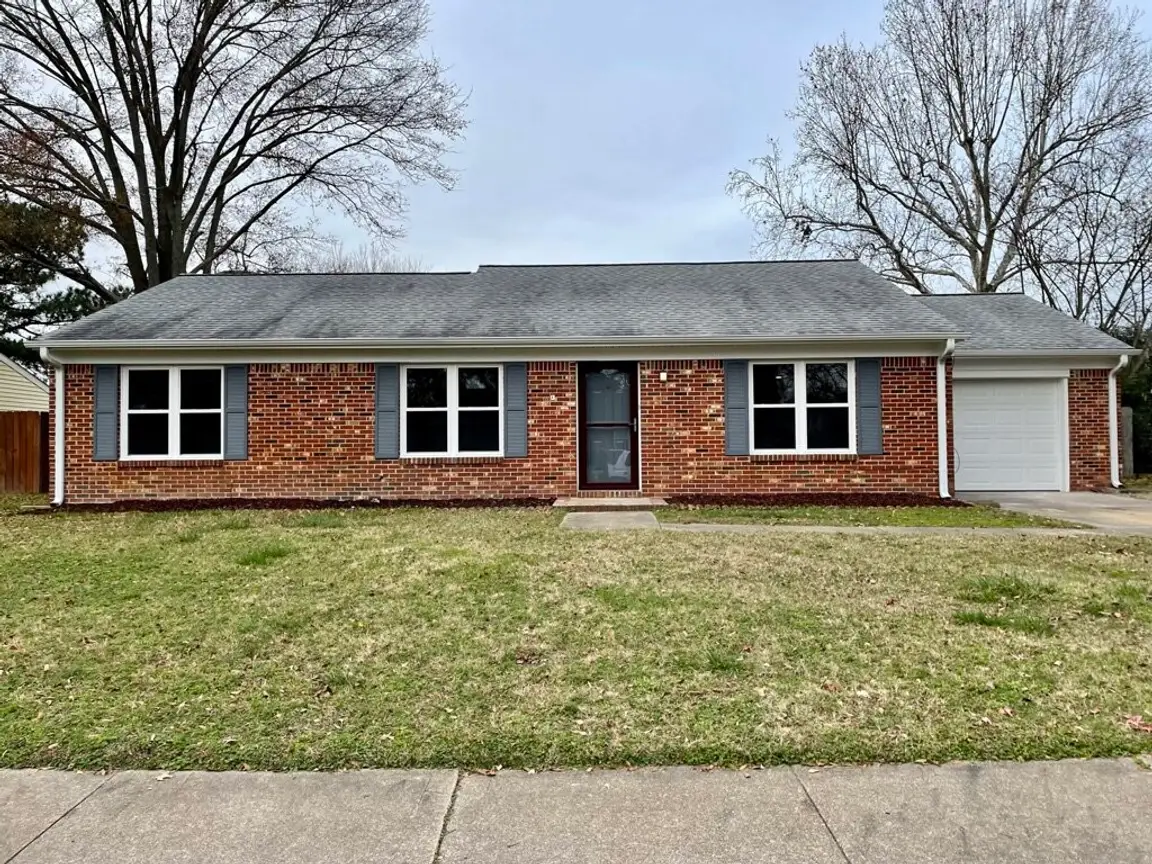
The owners of this brick ranch on Caren Drive lived out of state. Their tenants left damage behind. We bought it as-is, closed on the owners’ timeline, and the sale was funded the next business day.
Years of neglect and overgrowth. Closed remotely.
The seller hadn’t been to this house on Ferry Plantation Road in years. We bought it as-is for cash and the seller signed with a remote notary, so they never had to make the trip.
About $80,000 in repairs. Sold as-is, on to the next house.
This two-story house on Cheltenham Court needed about $80,000 in repairs and the seller didn’t want to take that on. We bought it as-is and the seller bought the house they wanted next.
Four promises we put our name on.
Selling a house is personal. These are the commitments we make to every seller we work with. Sam & Jack, O’Neill Home Buyers
Why you’re selling stays between us. No sign in the yard, no listing, no neighbors asking questions.
Next week or three months out. We set the date around your life and we hit it.
Your offer is based on real local sales and what the house needs, never on how fast you need to sell.
You get a clear number and the time to decide. Say no and we part as friends.
Things families ask us about an inherited house.
Can we sell before probate is finished?
Yes. The estate doesn’t have to be closed, and there’s no waiting on the court. Once the executor or administrator has qualified at the clerk’s office, the house can be sold. With a will, the executor signs; with no will, all the heirs sign. The title company confirms exactly who signs.
Who has to sign?
Your answers in step 1 give a first answer at the top of step 2. In short: an executor with power of sale signs alone; otherwise everyone who inherited a share signs. A spouse of an heir usually doesn’t need to sign in Virginia, but the title company confirms that for your family.
One of us is out of state. Another isn’t sure about selling.
Distance is easy: remote notary and e-signature, and we’ve closed with sellers who never made the trip. Disagreement is harder, and we won’t get in the middle of it. Everyone with a share has to agree to sell the whole house. What we can do is get on a call with the family, show the math, and answer questions so the decision is an informed one.
What about everything inside the house?
Take what matters: photos, papers, keepsakes, anything with a story. Leave the rest, including the garage and the attic. We handle the sorting, the donations and the disposal after closing. If we come across family photographs or documents, we’ll call you.
There’s still a mortgage on it.
Federal law lets the family keep making the payments in the deceased’s name; the lender can’t demand the full balance just because the borrower died, but the payments do have to continue. At closing the title company pays the loan off from our price and the rest goes to the estate.
There’s a reverse mortgage on it.
These have a real clock. A reverse mortgage comes due when the last borrower dies. The servicer typically gives heirs 30 days to say what they plan to do and about six months to sell or refinance, with extensions sometimes available. The estate owes the loan balance or 95% of the appraised value, whichever is less, so even a house that’s “underwater” can usually be sold cleanly. Call us early on these so nothing is rushed at the end. More detail: selling a house with a reverse mortgage.
Will there be taxes on the sale?
Usually little or none. Inherited property gets a “stepped-up” tax basis equal to its value at the date of death, so a sale soon afterward produces little or no capital gain. Virginia has no inheritance or estate tax. Please run your situation by a tax preparer; that’s their lane, not ours.
Do we need a lawyer?
Not always. The clerk’s office qualifies executors and administrators without one, and many families handle a simple estate themselves. We’d suggest one if the heirs disagree, if there’s a business or property in several states, or if the title has problems. If you’d like, we’ll share the names of local estate attorneys and title companies our sellers have used.
How long does probate take in Virginia?
Six to twelve months for a straightforward estate, because creditors have a year to come forward and the Commissioner of Accounts has to approve the accountings. The house is usually sold well before the end. The estate can stay open while the proceeds sit in the estate account.
There’s no will and only Mom’s name is on the deed.
Virginia’s intestacy rules name the heirs: a surviving spouse and children first, then parents, siblings and so on. Someone, usually the closest family member, is appointed administrator at the clerk’s office to handle the estate, and all the heirs sign to sell the house. Once that’s done, there’s no waiting on the court. Call us and we’ll walk through it; the clerk’s office will too.
When does the house have to be empty?
Nobody can be living there on closing day, but the contents can stay; leave what you don’t want and we handle it. If someone needs a little extra time after closing, tell us before we sign and we’ll see what we can work out, but plan on closing day.
Is there any cost or obligation to get your offer?
None. The walkthrough and the written offer are free, and the offer is yours to keep, share with the family, or set aside.
Ten minutes on the phone and you’ll know exactly where you stand.
No pressure, no obligation. If selling to us isn’t your best move, we’ll tell you that too.
Rather we reach out? Fill in the card and we’ll call or text you back. The walkthrough and the written offer are free, and the offer is yours to keep whether you use it or not.
Or send a message any time from our contact page.
Have Sam or Jack call me
100% free, no obligation. We never share your information.
Where to get the official answers (whether or not you call us)
- The Circuit Court Clerk’s office (probate division) in the city where your loved one lived: Norfolk, Virginia Beach, Chesapeake, Portsmouth, Suffolk, Hampton or Newport News. Call ahead; most take appointments for qualification.
- The Commissioner of Accounts for that city: inventories, accountings and deadlines.
- “Guide to the Administration of Decedents’ Estates in Virginia”, a free plain-language booklet from the Virginia Bar Association.
- The law: Virginia Code § 64.2-508 (notice to heirs), § 64.2-510 (real estate affidavit), § 64.2-521 (executor’s power to sell) and § 64.2-1300 (inventory).
More from O’Neill Home Buyers
We buy houses in Virginia Beach, Norfolk, Chesapeake, Portsmouth, Suffolk, Hampton and Newport News. This guide explains Virginia law in plain English and is general information from a home buying company, not legal, tax or financial advice. Deadlines and costs depend on your paperwork and your city; for advice on your situation, talk to a Virginia attorney.